

Blog Post
Neurofeedback for Adults with Autism

Therapy for Autism in Petaluma and Sonoma County
Many adults on the autism spectrum reach adulthood having learned to cope, adapt, and mask differences in ways that allow them to function—often at significant personal cost. Chronic stress, anxiety, burnout, sleep disruption, emotional exhaustion, and difficulties with sensory overload are common experiences for autistic adults, even when they are highly capable and successful. As a psychologist and therapist providing neurofeedback therapy in Petaluma, Santa Rosa, Novato, Rohnert Park, Sebastopol, and throughout Sonoma County, I work with autistic adults who are seeking greater nervous system stability, self-understanding, and quality of life.
Neurofeedback offers a brain-based, non-invasive therapy that supports regulation and flexibility without attempting to change identity, personality, or neurodivergence.
Autism in Adulthood: A Nervous System Perspective
For many adults with autism, challenges are less about deficits and more about chronic nervous system load. Sensory sensitivity, social effort, transitions, and long-term stress can keep the nervous system in a state of hyperarousal or shutdown. Over time, this may contribute to anxiety, depression, sleep problems, digestive issues, or burnout.
From a mind-body perspective, these experiences reflect patterns of dysregulation rather than pathology. Psychotherapy helps with meaning-making, identity integration, and emotional processing, while neurofeedback works directly with the brain systems that support regulation, recovery, and resilience.
What Is Neurofeedback Therapy for Autistic Adults?
Neurofeedback is a form of biofeedback that uses EEG technology to measure brain activity in real time. During sessions, adults receive immediate feedback—typically through visual or auditory signals—when their brains move toward more stable and regulated patterns.
Over repeated sessions, the brain learns to sustain these patterns on its own. Neurofeedback is collaborative, paced, and individualized, allowing adults to remain fully engaged and informed in the process. It does not aim to suppress autistic traits but rather to support the nervous system in functioning with greater ease and flexibility.
How Neurofeedback Can Support Autistic Adults
Neurofeedback can be particularly helpful for adults with autism who experience anxiety, trauma, depression, or chronic stress.
One common benefit is improved nervous system regulation. Many autistic adults report feeling “on edge,” overstimulated, or depleted. Neurofeedback helps reduce baseline arousal and supports smoother recovery from stress, which can lead to greater emotional steadiness and reduced overwhelm.
Neurofeedback may also support relief from anxiety and depressive symptoms. By addressing brain-based patterns associated with hypervigilance, rumination, or emotional inhibition, neurofeedback can complement psychotherapy in helping adults feel more present and less burdened by chronic internal tension.
Sleep is another frequent area of improvement. Adults with autism often experience difficulty falling asleep, staying asleep, or waking feeling unrefreshed. Neurofeedback can support brain patterns associated with sleep regulation, which in turn affects mood, energy, and cognitive clarity.
For some individuals, neurofeedback also enhances focus, mental flexibility, and tolerance for sensory input—factors that influence daily functioning, work performance, and relationships.
Integrating Neurofeedback with Psychotherapy and Mind-Body Therapy
As a psychologist offering psychotherapy, neurofeedback, and mind-body therapies, I take an integrative approach that respects autonomy and lived experience. Neurofeedback is most effective when aligned with psychotherapy that supports self-understanding, identity integration, trauma processing, and emotional insight.
Rather than focusing on symptom elimination alone, this approach supports broader goals such as reduced burnout, improved self-regulation, and greater alignment between internal experience and external demands.
Neurofeedback Therapy for Adults with Autism in Petaluma and Sonoma County
Adults throughout Petaluma, Santa Rosa, Novato, Rohnert Park, Sebastopol, and Sonoma County seek neurofeedback therapy when they want support that goes beyond coping strategies alone. Neurofeedback can be especially helpful for adults who feel chronically exhausted, anxious, or disconnected despite insight-oriented therapy or personal growth efforts.
This approach is well suited for adults who value self-direction and want a collaborative, non-pathologizing form of therapy.
Is Neurofeedback Right for You?
Every autistic adult’s nervous system is unique. A comprehensive assessment helps determine whether neurofeedback, psychotherapy, or a combination of approaches is the best fit for your goals and needs. When appropriate, neurofeedback can support greater regulation and resilience without asking you to change who you are.
Schedule a Consultation
If you are looking for a psychologist or therapist offering neurofeedback therapy for adults with autism in Petaluma or Sonoma County, I invite you to reach out. A consultation can help you explore whether neurofeedback may be a useful addition to your therapeutic work.
Supporting your nervous system can create more room for rest, clarity, and choice. Contact my office today to learn more about neurofeedback services in Petaluma, Santa Rosa, Novato, Rohnert Park, Sebastopol, and the greater Sonoma County area.
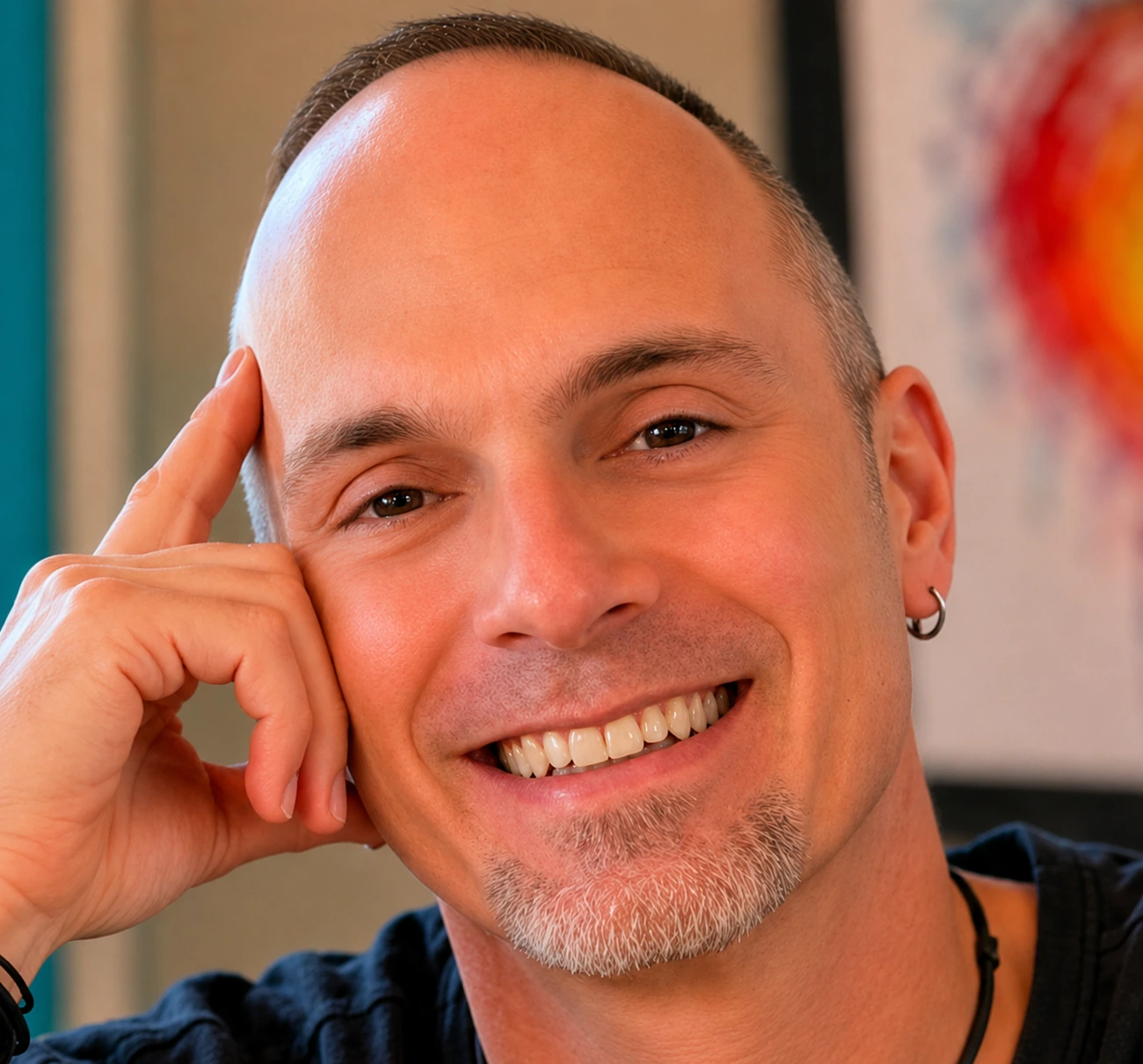
Sil Machado, Ph.D.
Ph.D., Licensed Psychologist
Sil Machado, Ph.D. is a licensed psychologist in Petaluma offering in-person Neurofeedback, Biofeedback, Somatic Therapies, and Psychotherapy.
Schedule Consultation